
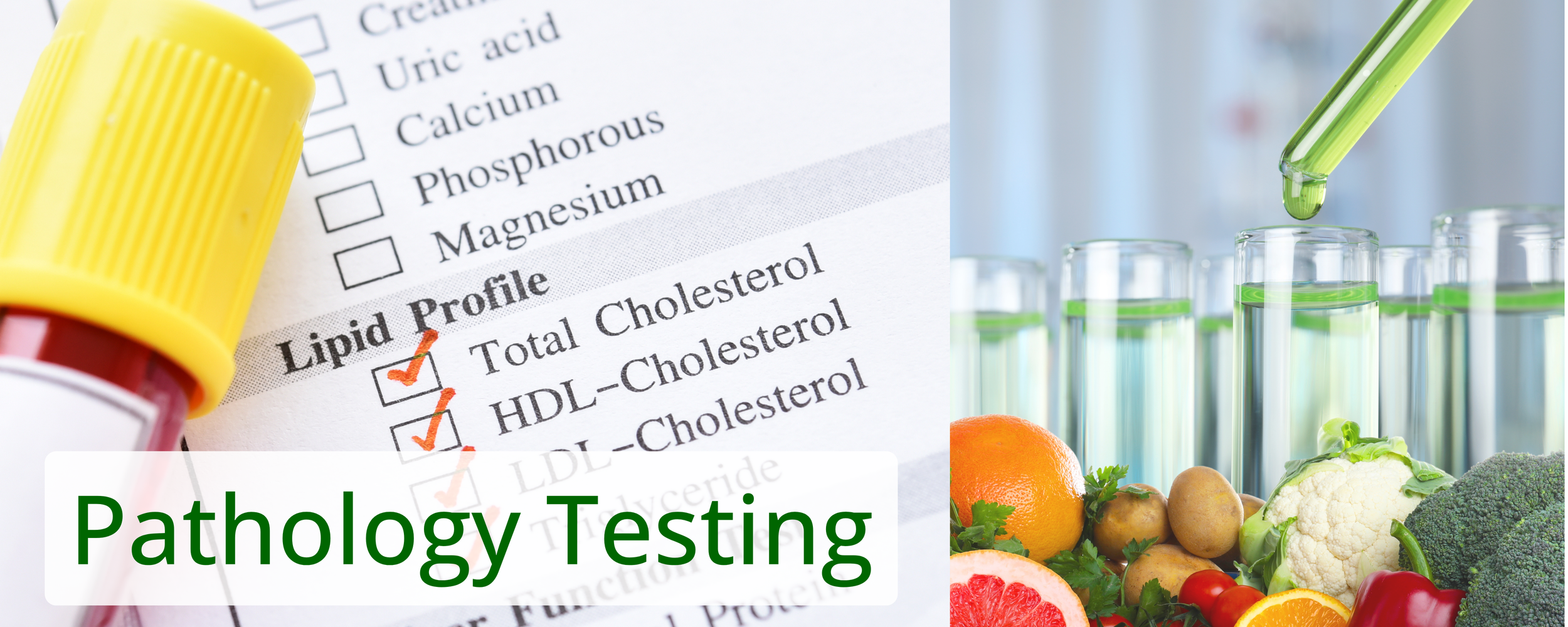
As a Certified Practicing Nutritionist (CPN) I’m qualified to both order and interpret a range of pathology testing for my patients.
Routine blood tests are the most common pathology testing I use in clinical practice, however I’m also able to utilise a range of functional testing depending on a client's individual circumstances.
In most cases I like to start with standard blood pathology, as it provides measurable, clinically relevant data that can be combined with information gathered in the case history to highlight what’s happening underneath the surface. This information is then used to guide treatment strategies and identify when targeted supplementation is needed to support a patient’s health needs, as well as track a patient’s response to treatment.
For example, three different clients may come to me for weight management support – one may have insulin resistance, one may have a thyroid condition, and one may have both! Each of these clients would need a slightly different approach to support them and without testing there’s no way to know.
Standard blood pathology can also help with:
Identifying insulin resistance and pre-diabetes before it’s progressed to type 2 diabetes. This is a critical time for implementing preventative healthcare strategies (which nutritional medicine does brilliantly) to slow or even reverse the trajectory of insulin resistance (Caretto et al., 2026) before it reaches clinically diagnosable diabetes.
Iron deficiency without anaemia is another great example of clinically useful data that can be uncovered through routine testing. Research shows that iron deficiency can cause symptoms such as fatigue, brain fog, muscle weakness, shortness of breath & more even before red blood cells are affected & anaemia is diagnosed (Al-Naseem et al., 2021), so by looking at the data alongside these symptoms I can make a clinical judgement about whether iron supplementation is needed.
“Normal” vs “Optimal” ranges
When performing routine blood pathology, each lab provides their own reference range to help determine which results are “normal” or “out of range”. When I interpret blood pathology I narrow this scope to identify if the results fall within the “optimal” range for prime function.
This can be useful for identifying when a patient is heading towards a diagnosable health condition before things have deteriorated enough for a doctor to provide a diagnosis. By catching these patterns early, steps can be taken to implement preventative diet and lifestyle strategies and minimise risks for developing chronic disease. The insulin resistance / type 2 diabetes example given above is a good example of this.
What about Functional Testing?
Functional testing is a term commonly used in the nutritionist, naturopath, and integrative healthcare space. These tests can be useful in cases where standard treatment approaches aren’t working or for specific health concerns not covered by standard pathology as they can provide a deeper understanding of underlying body functioning.
Examples of functional tests:
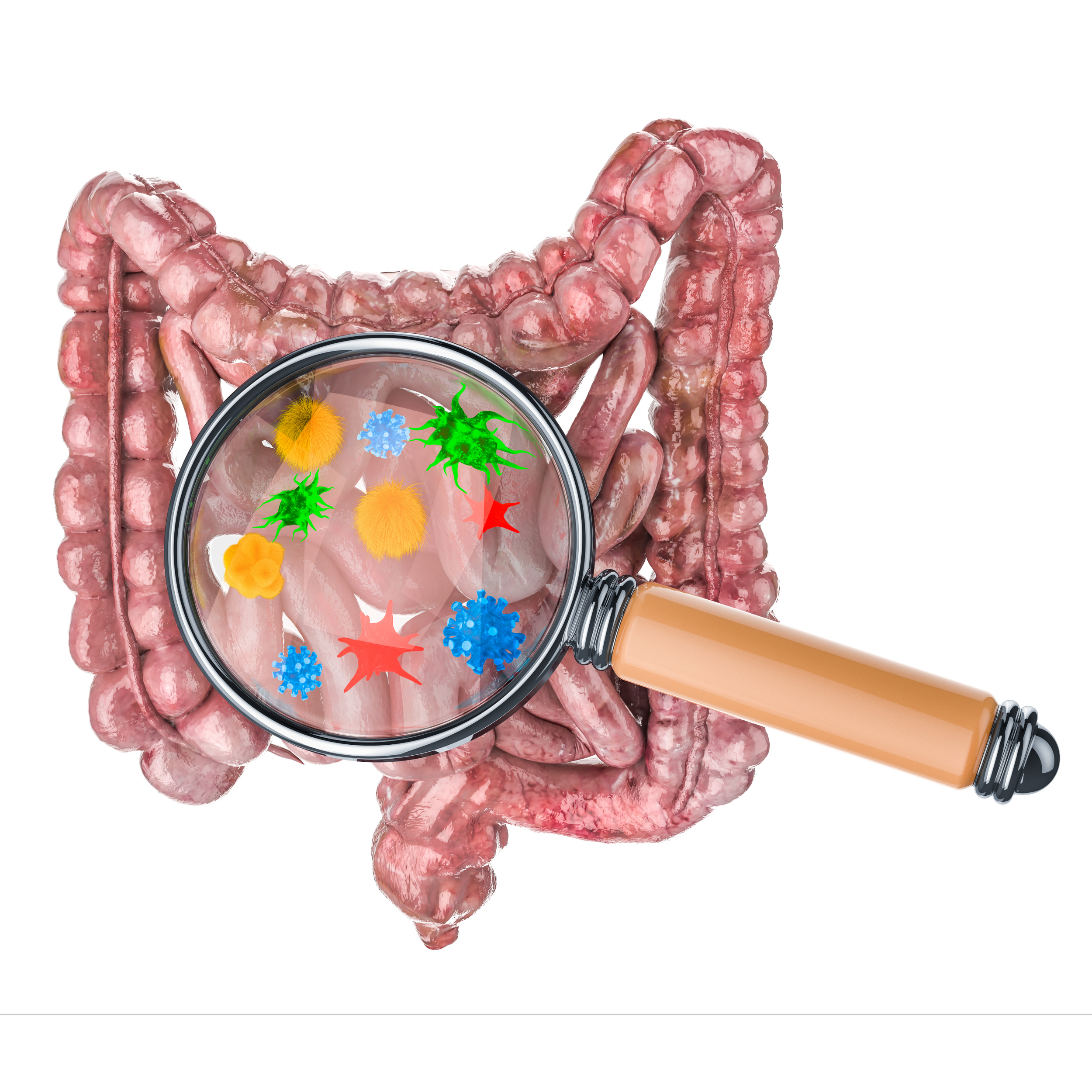
Microbiome or stool testing - Analyses microbial population of the bowel, along with bowel function and inflammatory markers. Can be useful for chronic gastrointestinal symptoms and conditions including bloating, cramping, constipation, diarrhoea, IBS etc; auto-immune conditions; skin conditions; mental health disorders; hormonal conditions; food reactivity.
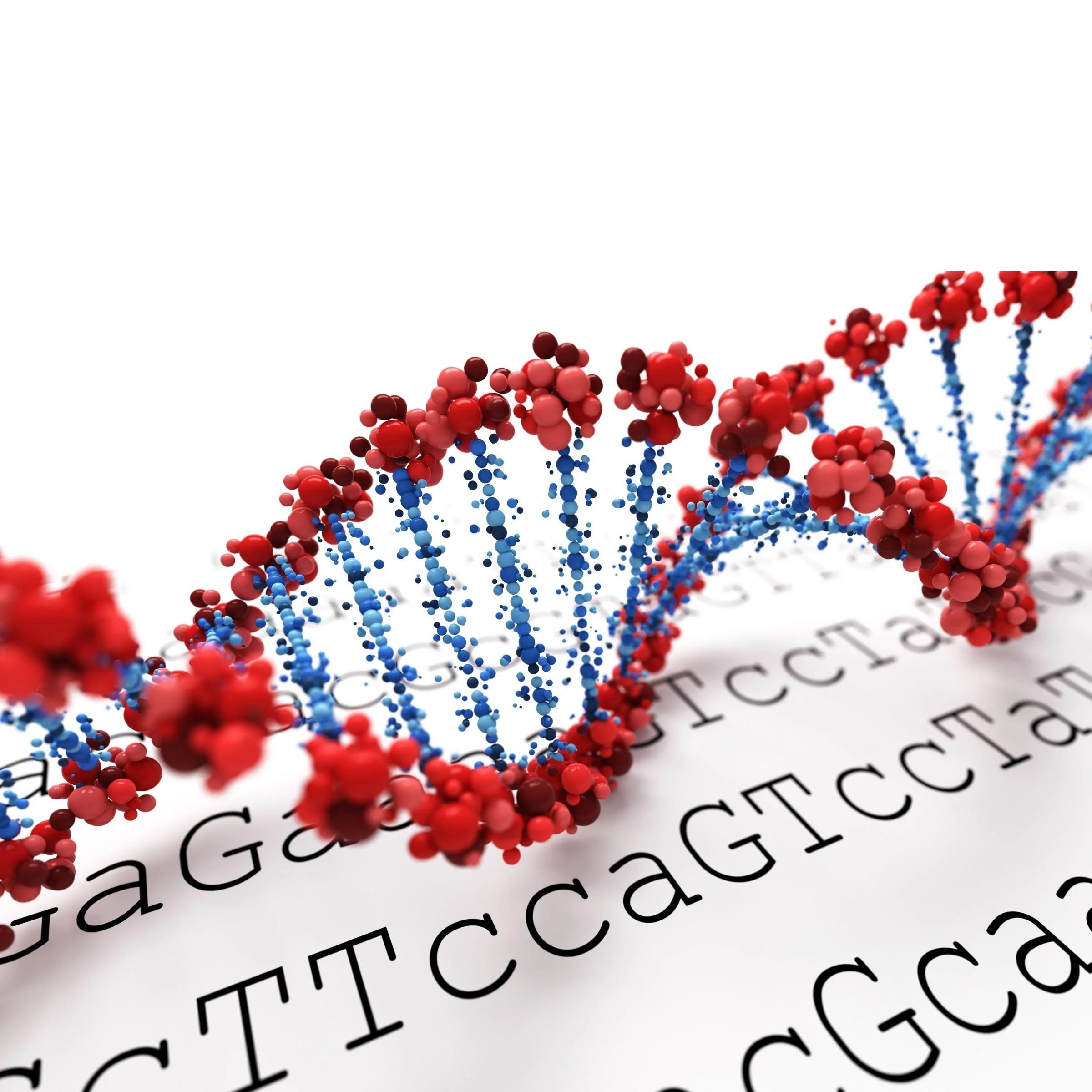
DNA testing for genetic variants – Can be particularly useful when initial treatment strategies aren’t producing the desired results. Small variations in our genetic “blueprint” codes can cause increased (or even decreased) needs for certain nutrients, or even our ability to absorb and use different types of the same nutrient! These variations can influence our detoxification pathways, mental health status, weight management, cardiovascular risks, immune function and more.
Hormone testing: Can provide clinical insight into complex women's hormone conditions. Various tests are available depending on the patient’s symptoms and history but may include – detailed oestrogen markers and pathways, progesterone levels, DHEA and testosterone (yes, women make testosterone too & when hormones are out of whack it can be helpful to know how testosterone fits into that picture) and hormone detoxification pathways.
As a CPN I have access to a range of functional testing options depending on your individual health situation, however these are not something I routinely use for all patients. It’s important to understand functional testing is often expensive and therefore any decision to proceed with testing should be weighed against the likely value of the information it may provide and how that may change the treatment strategies.
If you’d like more information about working with me and how pathology testing might fit in with that, please reach out to arrange a free, no obligation 15min phone call to answer your questions.
Ready to book an initial consultation?
Have questions about working with me?
Contact me to arrange a free, no obligation call for more information. (Australian residents only)
Al-Naseem, A., Sallam, A., Choudhury, S., & Thachil, J. (2021). Iron deficiency without anaemia: a diagnosis that matters. Clinical medicine (London, England), 21(2), 107–113. https://doi.org/10.7861/clinmed.2020-0582
Caretto, A., Zanardini, A., Frontino, G., & Pedone, E. (2026). Targeting Insulin Resistance Through Nutrition: Pathophysiological Insights and Dietary Interventions. Nutrients, 18(7), 1119. https://doi.org/10.3390/nu18071119